
This post contains affiliate links. If you click and buy, we may earn a commission at no additional cost to you.
Many people starting out in the kitchen look for reliable cookbooks that make learning easy and enjoyable. Choosing the right beginner cookbook can save time and reduce frustration by providing clear instructions and accessible recipes.
The top 5 beginner cookbooks offer straightforward guidance, simple ingredients, and essential cooking techniques that help new cooks build confidence quickly. These books cover a range of cuisines and styles, making it easier to find one that matches individual tastes and goals.
This list is designed to introduce cookbooks that balance practical advice with approachable recipes, perfect for anyone wanting to improve their skills without feeling overwhelmed.
Criteria for Selecting the Top 5 Beginner Cookbooks
Choosing beginner cookbooks requires focusing on aspects that support learning and ease of use. These include how approachable the book is, whether the recipes cover a range of essential dishes clearly, and how well the book helps build fundamental cooking skills.
User-Friendliness
A beginner cookbook must be simple to navigate with clear instructions that avoid jargon. It should include helpful visuals like step-by-step photos or diagrams to guide the reader through each process.
Formatting matters too. Features like consistent layout, clear headings, and tips highlighted in boxes improve usability. The book should also offer basic cooking techniques and explain necessary tools and ingredients.
Accessibility is important; the language should be straightforward, avoiding assumptions about the reader’s prior knowledge. This ensures the user feels confident while cooking.
Recipe Variety and Clarity
The cookbook should present a broad array of recipes, covering breakfast, lunch, dinner, and snacks. This variety helps a beginner learn different cooking methods and flavor profiles. Recipes must be broken down into clear, easy-to-follow steps.
Each recipe should list ingredients in order of use, with precise measurements. Cooking times and difficulty levels should be indicated to help readers manage expectations. Photos of finished dishes add clarity and motivation.
The book’s recipes should rely on common ingredients to keep shopping and preparation simple for newcomers.
Skill Development Focus
Top beginner cookbooks emphasize skill-building beyond just following recipes. They introduce essential techniques, such as knife skills, sautéing, and seasoning, progressively increasing in difficulty.
These books often include brief lessons or tips explaining the “why” behind steps. This approach fosters understanding and encourages adaptability in the kitchen.
Practical advice on kitchen safety, equipment care, and ingredient selection also supports long-term cooking confidence. Skill reinforcement through repetition and variation is key.
Overview of the Top 5 Beginner Cookbooks
The selected cookbooks provide a range of techniques, ingredient accessibility, and recipe styles suited to beginners. Each offers unique tools and guidance that cater to varying learning preferences and cooking goals.
Key Features of Each Cookbook
Each cookbook emphasizes clear instructions and simple ingredients. One focuses on step-by-step photos to aid visual learners. Another includes detailed explanations of cooking terms and methods to build foundational skills. Several offer meal plans and shopping lists to streamline grocery trips.
Some cookbooks integrate dietary considerations like vegetarian options or allergen-free recipes to accommodate common needs. Most highlight time-saving tips and emphasize pantry staples for beginner-friendly cooking. A few include cultural context, which helps readers understand ingredient selection and flavor profiles.
Comparing Cooking Styles and Approaches
The approaches range from classic Western techniques to global flavors with approachable steps. One book leans heavily on quick, everyday meals designed for busy schedules, while another prioritizes technique mastery and hands-on practice.
Recipe formats vary: some are minimalist with concise instructions, and others use narratives or storytelling to engage readers. The methodical books focus on kitchen skills first, then recipes, whereas others jump straight into versatile, easy-to-adapt dishes. This variety addresses different learner needs, from those needing structure to those wanting creativity.
Detailed Profiles of Each Cookbook
The selected cookbooks offer different approaches to learning cooking skills. Some focus on foundational techniques, while others prioritize understanding ingredients and cooking science.
The Joy of Cooking by Irma Rombauer: Strengths and Highlights
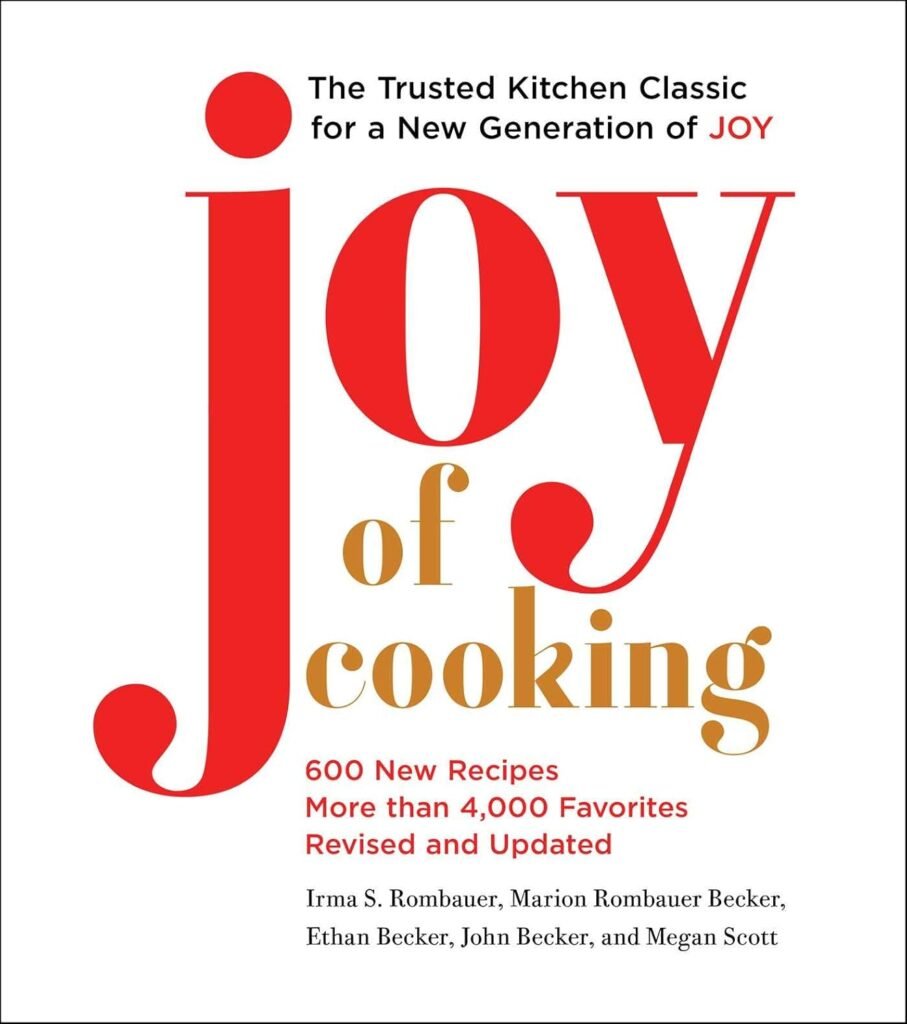
First published in 1931, The Joy of Cooking is a beloved culinary staple that has stood the test of time. Updated over the decades, it remains one of the best cookbooks for beginner home cooks seeking tried-and-true recipes and a wide breadth of kitchen knowledge.
Why It’s Great for New Cooks:
- Acts as a kitchen encyclopedia, covering thousands of recipes across every cuisine and cooking method.
- Perfect for learning kitchen terminology, techniques, and food safety tips.
- Includes classic American recipes as well as modern updates to fit contemporary tastes and dietary needs.
Notable Features:
- Great reference guide for everything from boiling an egg to baking bread or making sauces.
- Covers holiday meals, canning, cocktails, and meal planning.
- Excellent for long-term use as your skills grow beyond beginner level.
While some may find it less visual than newer cookbooks, The Joy of Cooking is unmatched in its scope and reliability. It’s a kitchen essential for beginners who want a comprehensive, dependable reference book they can grow with.
Salt, Fat, Acid, Heat by Samin Nosrat: A Science-Based Approach
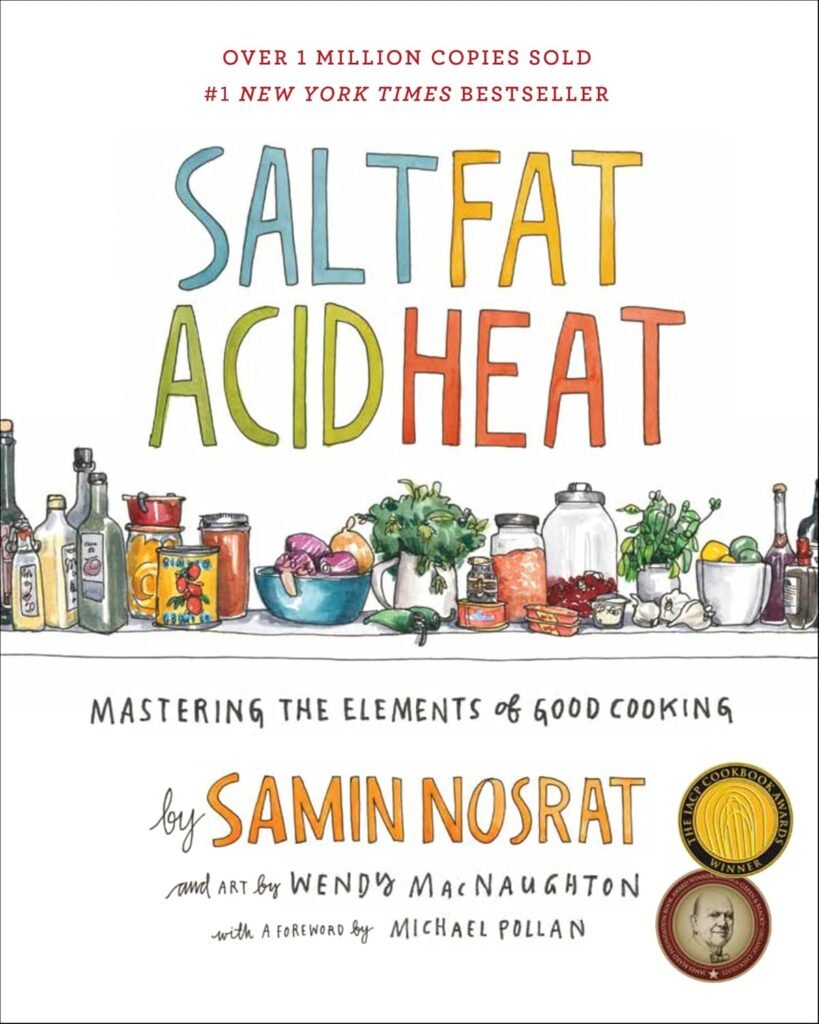
Salt, Fat, Acid, Heat by Samin Nosrat is not just a cookbook—it’s a culinary education wrapped in stunning illustrations and science-backed insights. With a focus on the four fundamental elements of good cooking, this book empowers beginners to create flavorful, balanced meals from scratch.
Why It’s Great for Beginners:
- Breaks down complex cooking concepts into four core elements: salt (seasoning), fat (texture), acid (balance), and heat (technique).
- Rich visuals and diagrams help illustrate techniques without intimidating the reader.
- Encourages intuitive cooking rather than just following recipes, making you a more confident and creative cook.
Notable Features:
- Includes 100+ essential recipes and countless variations.
- Great balance of theory and application—perfect for curious beginners.
- Accompanied by a Netflix documentary series for visual learners.
This is the best beginner cookbook for those who want to learn how to cook intuitively and intelligently. Salt, Fat, Acid, Heat is beautifully written and endlessly useful, helping you understand not just how to cook—but why things taste good.
How to Cook Everything by Mark Bittman: Versatility in the Kitchen
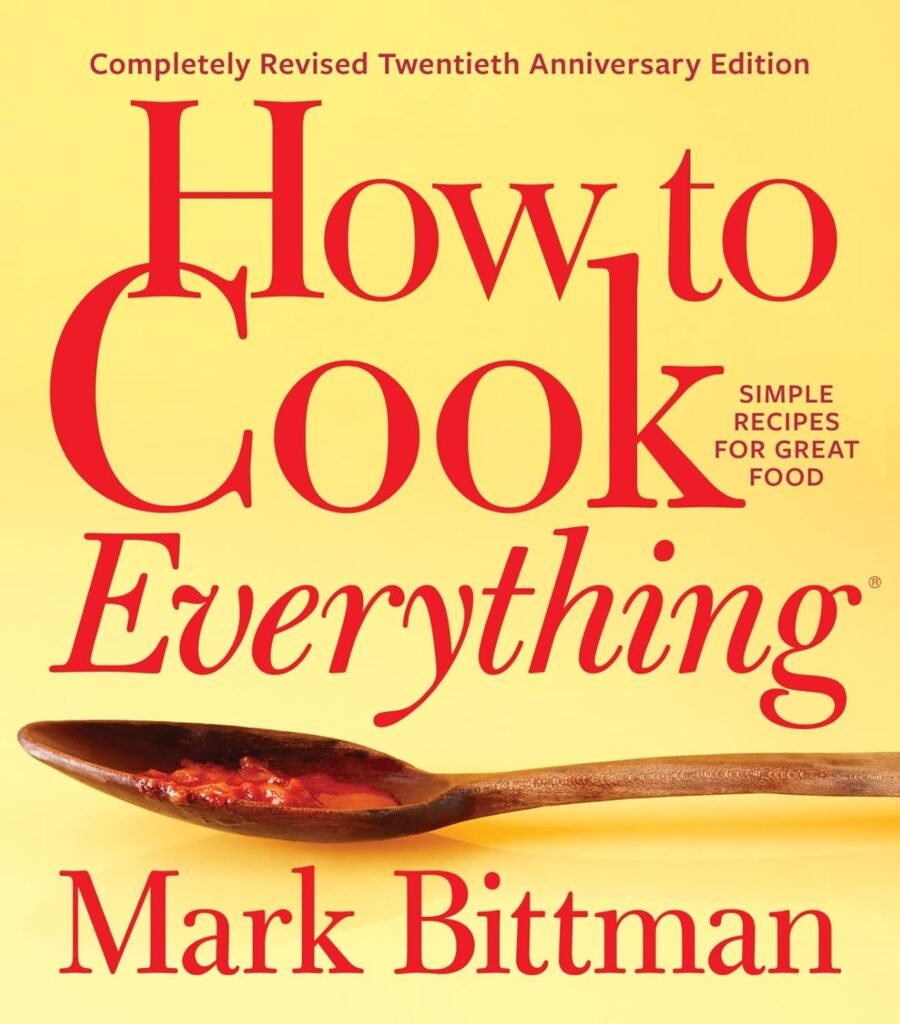
Mark Bittman’s How to Cook Everything is a must-have cookbook for beginners who want to master home cooking. With over 2,000 simple, straightforward recipes, this comprehensive guide covers everything from basic techniques to complete meals, making it one of the best cookbooks for first-time home cooks.
Why It’s Great for Beginner Cooks:
- Clear, concise instructions with variations and optional ingredients to suit different tastes and skill levels.
- Covers everything from breakfast and snacks to vegetarian meals, meat dishes, and desserts.
- Prioritizes foundational cooking skills, like sautéing, roasting, and boiling, so you learn how to cook, not just what to cook.
Notable Features:
- Emphasis on flexibility and customization, making it easy to experiment.
- Helpful sidebars on pantry essentials, kitchen tools, and meal planning.
- Ideal for home cooks looking to reduce takeout and cook more whole, nourishing meals at home.
Whether you’re just moving out on your own or want to become more confident in the kitchen, How to Cook Everything is a practical, no-nonsense guide for mastering the basics of cooking. It earns its place on every beginner’s shelf.
The Complete Cooking for Two Cookbook by America’s Test Kitchen: Trusted Techniques
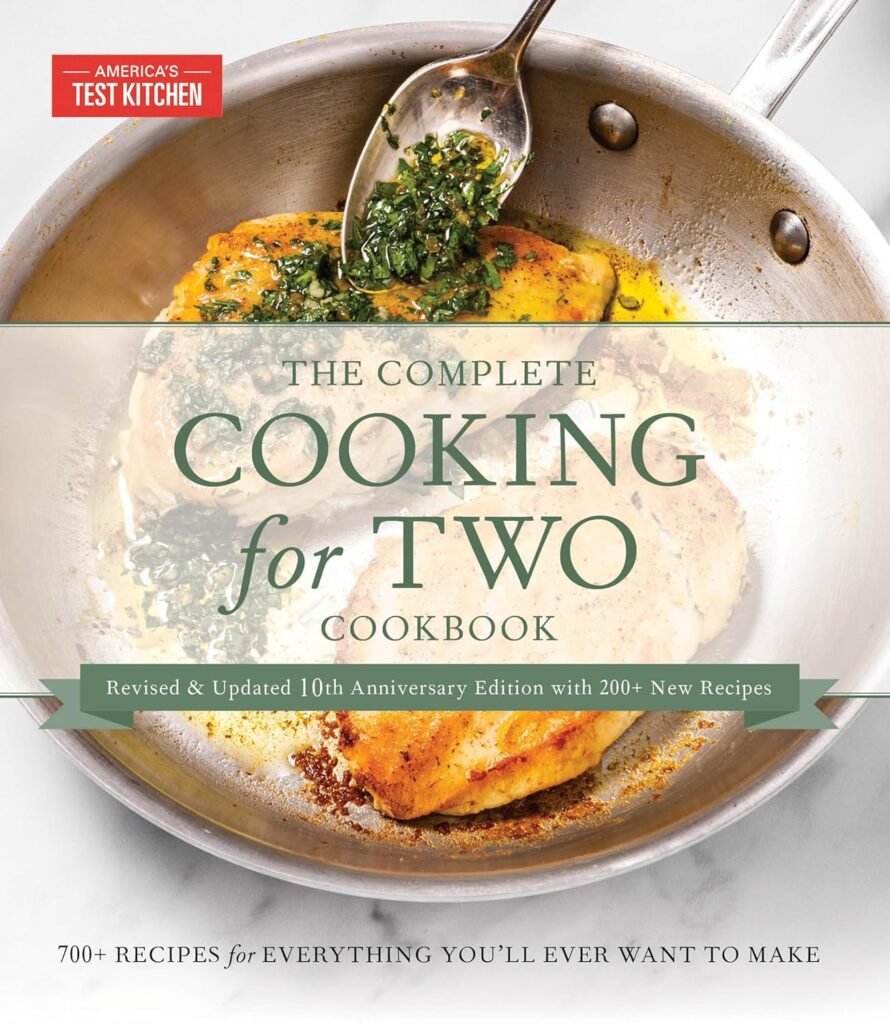
This cookbook is designed specifically for couples, roommates, or solo cooks who want to avoid waste without sacrificing variety or flavor. America’s Test Kitchen brings their signature rigorous recipe testing to the small-batch cooking world.
What Makes It Ideal for Beginners:
- All recipes serve exactly two—no need to scale anything up or down.
- Every recipe is triple-tested, with reliable instructions that anticipate common beginner pitfalls.
- Includes cooking tips, storage advice, and make-ahead guidance.
Best Features:
- Offers a wide range of recipes: comfort food, global dishes, lighter meals, and even desserts.
- Great section on kitchen basics: must-have tools, pantry essentials, and shopping tips.
- Clean layout with nutritional info and cooking times clearly listed.
What to Consider:
- Recipes are straightforward but less exploratory—if you’re looking for deep culinary theory or complex techniques, this isn’t it.
- Portions are exact, which is great for two, but not easily scalable without doing some math.
The Food Lab by J. Kenji Alt-Lopez:
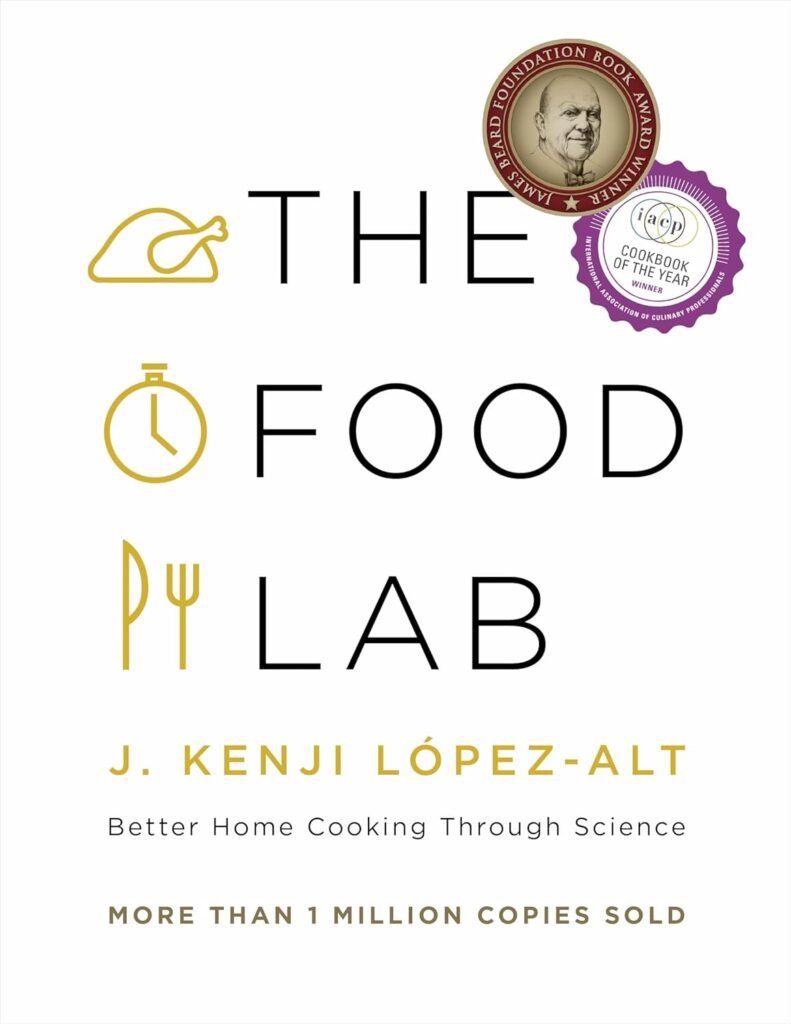
The Food Lab is more than just a cookbook—it’s a deep and entertaining dive into the science behind why recipes work. J. Kenji López-Alt, a chef and MIT-trained engineer, takes a meticulous approach to home cooking by testing and perfecting every technique and ingredient combination until the results are foolproof.
What Makes It Ideal for Beginners:
- Step-by-step guides with photos for almost every recipe.
- Focus on technique over memorization, teaching foundational methods you can apply to countless dishes.
- Friendly and humorous tone makes dense topics feel accessible.
Best Features:
- Dishes like perfect scrambled eggs, pan-seared steak, and crispy roasted potatoes are explained with scientific precision—no guesswork.
- Covers kitchen equipment, pantry essentials, and common mistakes to avoid.
- Encourages experimentation and confidence through understanding, not just repetition.
What to Consider:
- At over 950 pages, it’s heavy—physically and intellectually. Not a quick-fix cookbook.
- May overwhelm readers looking for 30-minute meals without explanation.
If you’re a beginner with a curiosity about how cooking works—and a desire to do things right from the start—The Food Lab is an investment in your culinary education. It’s like a cooking class and a science lesson rolled into one, with results that are hard to beat.
Choosing the Best Beginner Cookbook for Your Needs
Selecting a beginner cookbook depends on the reader’s current cooking skills and specific interests in food. Understanding these factors helps narrow down options to the most practical and relevant books for learning.
Matching Your Skill Level
Cookbooks vary in complexity, so it is important to pick one that matches current culinary skills. Beginners should look for books with simple recipes and clear instructions, including basic techniques like chopping, boiling, and sautéing. Visual aids such as step-by-step photos or illustrations further support learning.
Some books separate sections by difficulty, making it easier to progress gradually. Avoid books that assume prior knowledge or use uncommon ingredients. A good starter cookbook also explains kitchen tools and common cooking terms to build confidence in the kitchen.
Prioritizing Culinary Interests
Focusing on personal food preferences or dietary needs enhances motivation to cook. For example, someone interested in vegetarian cooking should seek beginner cookbooks dedicated to plant-based meals. Others might prefer books focusing on quick meals, baking, or international cuisine.
Check if the cookbook emphasizes practical grocery shopping tips or meal planning suited to the reader’s lifestyle. Books that cater to time constraints or budget considerations are especially useful. This tailored focus helps keep cooking enjoyable and relevant to everyday life.
Gaining Confidence in the Kitchen
Beginners often feel uncertain when starting to cook, but confidence grows through practice and understanding basic techniques. Cookbooks designed for novices break down recipes into manageable steps, which helps build skills gradually.
Simple recipes with clear instructions reduce frustration. They encourage learners to try new ingredients and methods without feeling overwhelmed. Repetition of easy tasks, like chopping or sautéing, helps build muscle memory.
Using tools like measurement charts or cooking timers can improve accuracy and timing. Cookbooks often include tips on ingredient substitutions and troubleshooting, which empower cooks to handle unexpected situations.
A useful approach is to focus on mastering five to ten core recipes. This creates a reliable foundation to experiment beyond the cookbook. Tracking progress in a cooking journal or notes helps identify strengths and areas to improve.
By embracing mistakes as learning opportunities, beginners gain resilience. Each successful dish increases motivation and confidence for more challenging cooking projects.
